

What is Achilles Tendonitis?
Achilles tendonitis is an overuse injury that causes inflammation, irritation, or degeneration of the Achilles tendon — the strong band of tissue connecting the calf muscles to the heel bone. This tendon plays a crucial role in walking, running, and jumping by helping lift the heel off the ground.
Achilles tendonitis typically develops due to repetitive stress or sudden increases in training load, rather than a single traumatic event. It most often affects runners, athletes involved in jumping sports, or individuals who suddenly increase their activity levels.
There are two common types:
Typical Symptoms of Achilles Tendonitis
How Do We Treat Achilles Tendonitis at Our Clinic?
At Elite Physical Medicine, our physiotherapists provide a specialist, evidence-based approach to help you recover from Achilles tendon pain and return safely to activity.
Comprehensive Assessment: A detailed examination identifies which part of the tendon is affected, contributing factors such as calf tightness, biomechanics, or footwear, and your functional goals. We offer on-site diagnostic ultrasound to evaluate tendon structure and guide treatment planning.
Education & Advice: You’ll receive clear information about your condition, recovery expectations, and how to modify training or daily activities to reduce tendon load while promoting healing.
Exercise Programme: Your physiotherapist will design a progressive, individualised exercise plan focusing on eccentric or heavy-slow resistance training — the most effective approach for tendon rehabilitation. The programme progresses gradually to restore tendon strength, endurance, and elasticity.
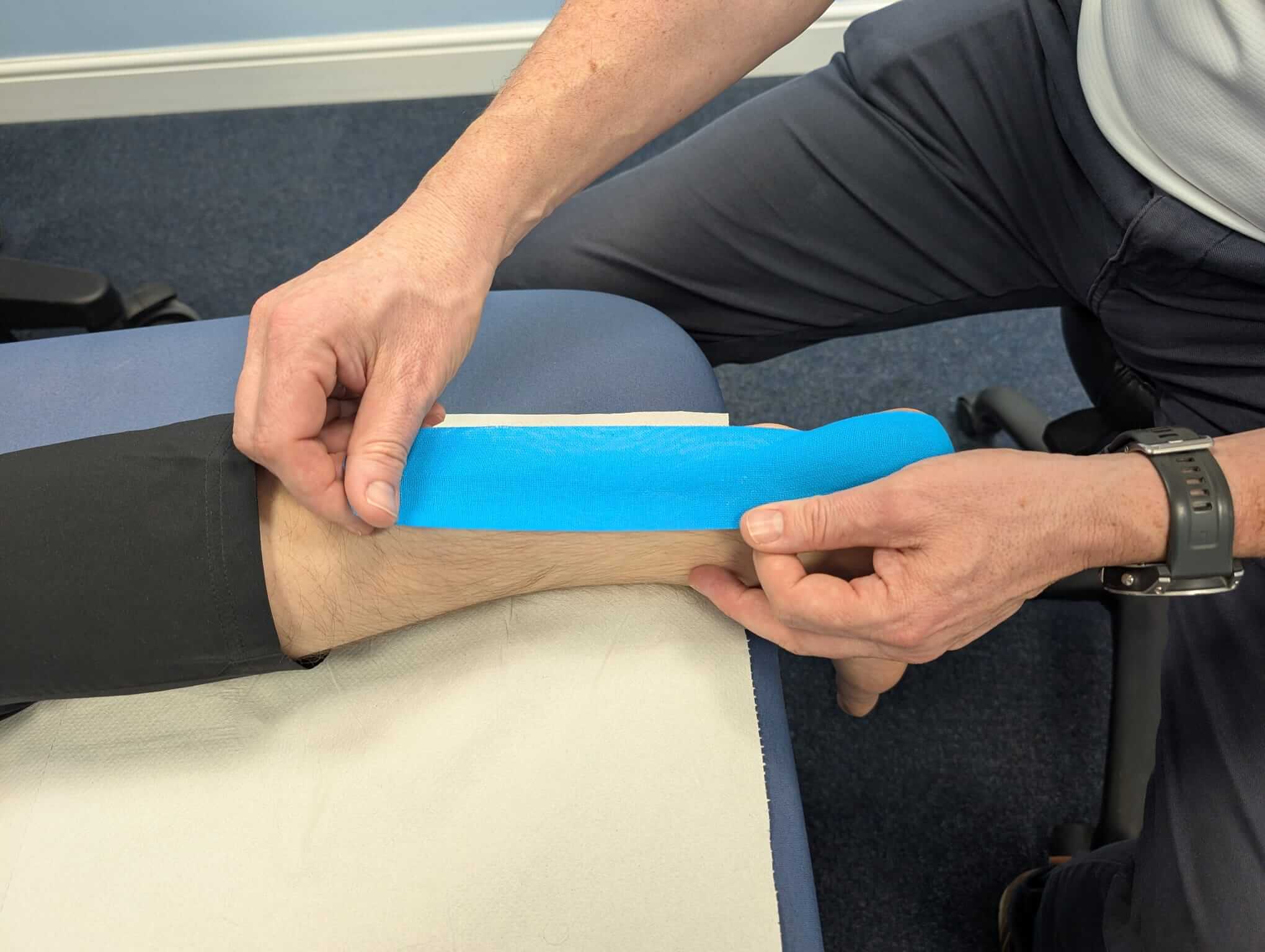
Manual Therapy: Hands-on treatment such as soft tissue release, calf mobilisation, or joint techniques may ease muscle tension and improve ankle and lower limb flexibility.
Pain Management: Advice is provided on the use of ice, appropriate pacing of activity, footwear modifications, and, if necessary, short-term use of heel lifts or orthotics to reduce tendon strain.
Activity Modification: We help you adjust your exercise or sport routine to manage load intelligently — balancing rest with active recovery to prevent further irritation.
Additional Treatment Options for Achilles Tendonitis
Referral for Further Investigation: If symptoms persist despite structured physiotherapy, or if a partial tear is suspected, we may refer you for imaging such as ultrasound or MRI. In cases of chronic or degenerative tendon pathology that does not respond to conservative care, a specialist opinion may be recommended.
Why Choose Us?
Our integrated approach combines diagnostic ultrasound, advanced physiotherapy techniques, and progressive loading programmes to optimise tendon recovery. With expert guidance, close monitoring, and individualised progression, we help you return to your chosen activities safely and confidently.