

What is Patellofemoral Pain Syndrome?
Patellofemoral pain syndrome, sometimes called “runner’s knee”, refers to pain around or behind the kneecap (patella), typically where it meets the thighbone (femur). PFPS is common in runners, active individuals, and young adults, and is often caused by overuse, altered biomechanics, muscle imbalances, or changes in training intensity. The pain usually comes on gradually and can be aggravated by activities that load the knee, such as squatting, climbing stairs, or running.
Typical Symptoms of Patellofemoral Pain Syndrome
How Do We Treat Patellofemoral Pain Syndrome at Our Clinic?
At Elite Physical Medicine, our physiotherapists provide effective, personalised management for patellofemoral pain:
Comprehensive Assessment: We carry out a detailed assessment of your symptoms, lower limb alignment, muscle strength, and movement patterns to confirm diagnosis and understand contributing factors. A diagnostic ultrasound scan can also be performed by one of our Sonographers to give a clearer, more detailed assessment.
Education & Advice: Practical advice is given on training modifications, pacing activities, avoiding aggravating movements, and choosing appropriate footwear.
Exercise Programme: Individualised exercise plans focus on strengthening the quadriceps, glutes, core, and lower limb muscles, as well as stretching and mobility to optimise knee alignment and reduce strain on the patella. Exercises progress gradually and are tailored to your comfort and goals.
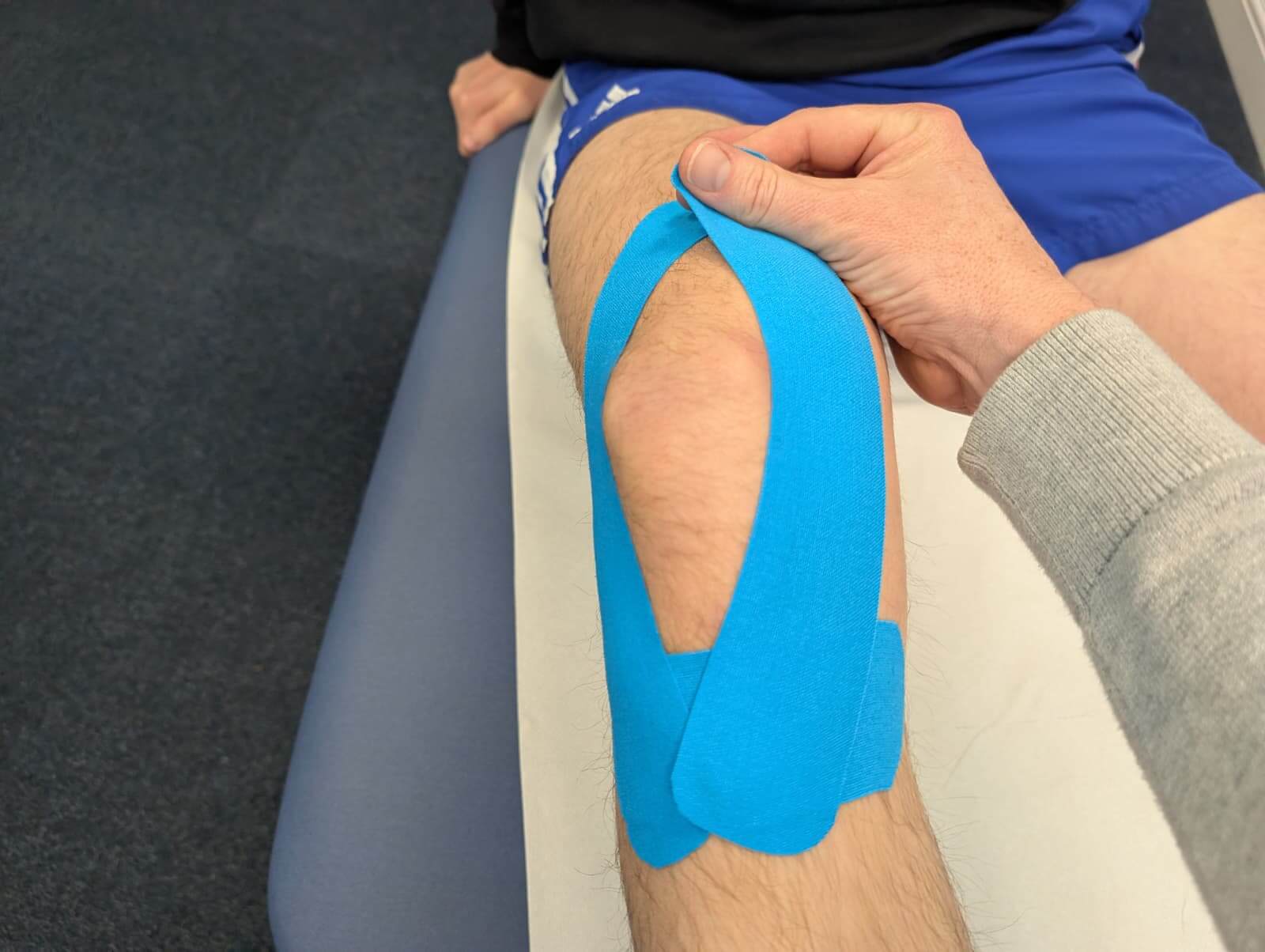
Manual Therapy: Hands-on therapies such as massage, taping, and joint mobilisation may help to relieve discomfort, improve movement, and address contributing muscle imbalances.
Pain Management: Advice on using ice packs after activity, rest as needed, and over-the-counter pain relief is provided to support symptom control.
Activity Modification: Guidance on safely returning to sport, work, or exercise by gradually increasing loading and intensity, with close monitoring and support.
Additional Treatment Options for Patellofemoral Pain Syndrome
Referral for Specialist Assessment: Rarely, if symptoms persist despite rehab, further investigation (such as imaging) or review by an orthopaedic specialist may be recommended.
Why Choose Us?
We take a holistic, evidence-based approach, combining thorough assessment, targeted rehabilitation, education, and activity planning to support your recovery and help you get back to pain-free movement and sport.