

What is Plantar Fasciitis?
Plantar fasciitis is a common cause of pain in the heel and sole of the foot. It occurs when the plantar fascia—a strong band of tissue supporting the arch of the foot—becomes irritated or inflamed, often due to overuse, increased activity, or poor foot biomechanics. This condition is particularly prevalent in runners, those who spend long hours on their feet, or people with flat feet or high arches. Pain is typically worst with the first steps in the morning or after periods of rest.
Typical Symptoms of Plantar Fasciitis
How Do We Treat Plantar Fasciitis at Our Clinic?
At Elite Physical Medicine, our physiotherapists offer comprehensive, evidence-based care for plantar fasciitis:
Comprehensive Assessment: We assess your pain, activity levels, foot posture, footwear, and any contributing factors to confirm the diagnosis and tailor your treatment. A diagnostic ultrasound scan can also be performed by one of our Sonographers to give a clearer, more detailed assessment.
Education & Advice: You’ll receive advice on suitable footwear, how to modify your activity or training load, and strategies for reducing stress on the plantar fascia during day-to-day tasks.
Exercise Programme: A personalised plan focuses on stretching the calf muscles and plantar fascia, strengthening exercises for the feet and lower limb, and balance training to improve foot mechanics.
Manual Therapy: Hands-on techniques such as soft tissue release, massage, and mobilisation may be used to relieve tension and improve flexibility in the foot and calf.
Pain Management: Guidance is given on using ice packs after activity, rest when needed, and over-the-counter pain relief to manage symptoms.
Activity Modification: Recommendations are made for temporarily reducing or modifying high-impact activities or prolonged standing until symptoms settle.
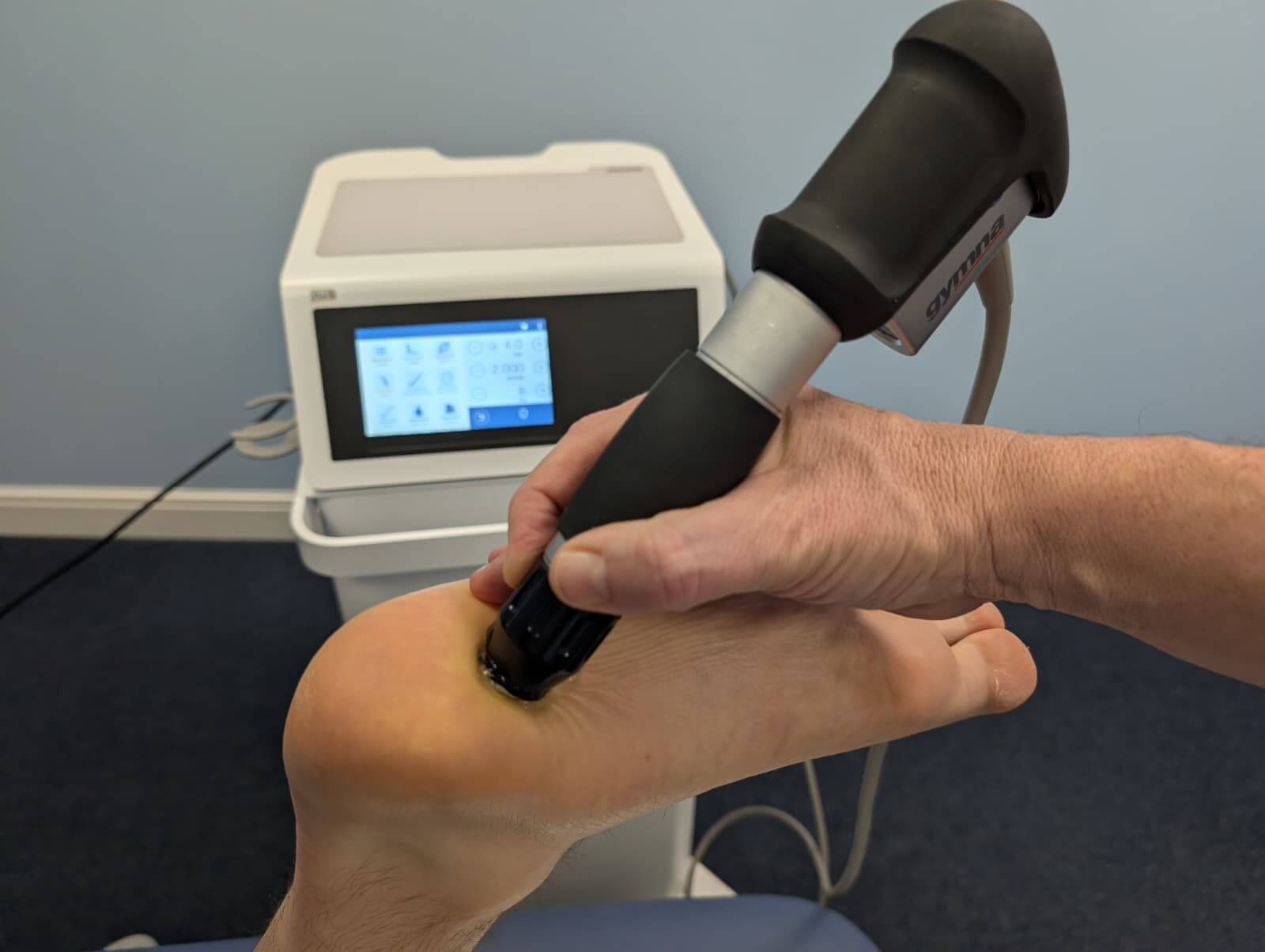
Additional Treatment Options for Plantar Fasciitis
Referral for Further Investigation: If symptoms persist, diagnostic imaging or specialist input may be suggested to rule out other causes of heel pain or to consider advanced treatments.
Why Choose Us?
Our approach is focused on restoring your comfort, mobility, and confidence—helping you get back to your work, hobbies, and exercise. With a combination of expert assessment, progressive rehabilitation, and tailored advice, we support you throughout every stage of your recovery.