

What are Shin Splints?
Shin splints, medically called medial tibial stress syndrome, refer to pain and tenderness along the inner edge of the shinbone (tibia). This condition is common in runners, dancers, and those who rapidly increase their activity or training intensity. Shin splints are thought to result from repetitive stress on the shinbone and its surrounding muscles, tendons, and connective tissue, often due to overuse or poor biomechanics.
Typical Symptoms of Shin Splints
How Do We Treat Shin Splints at Our Clinic?
At Elite Physical Medicine, our physiotherapists deliver expert, individualised support for shin splints:
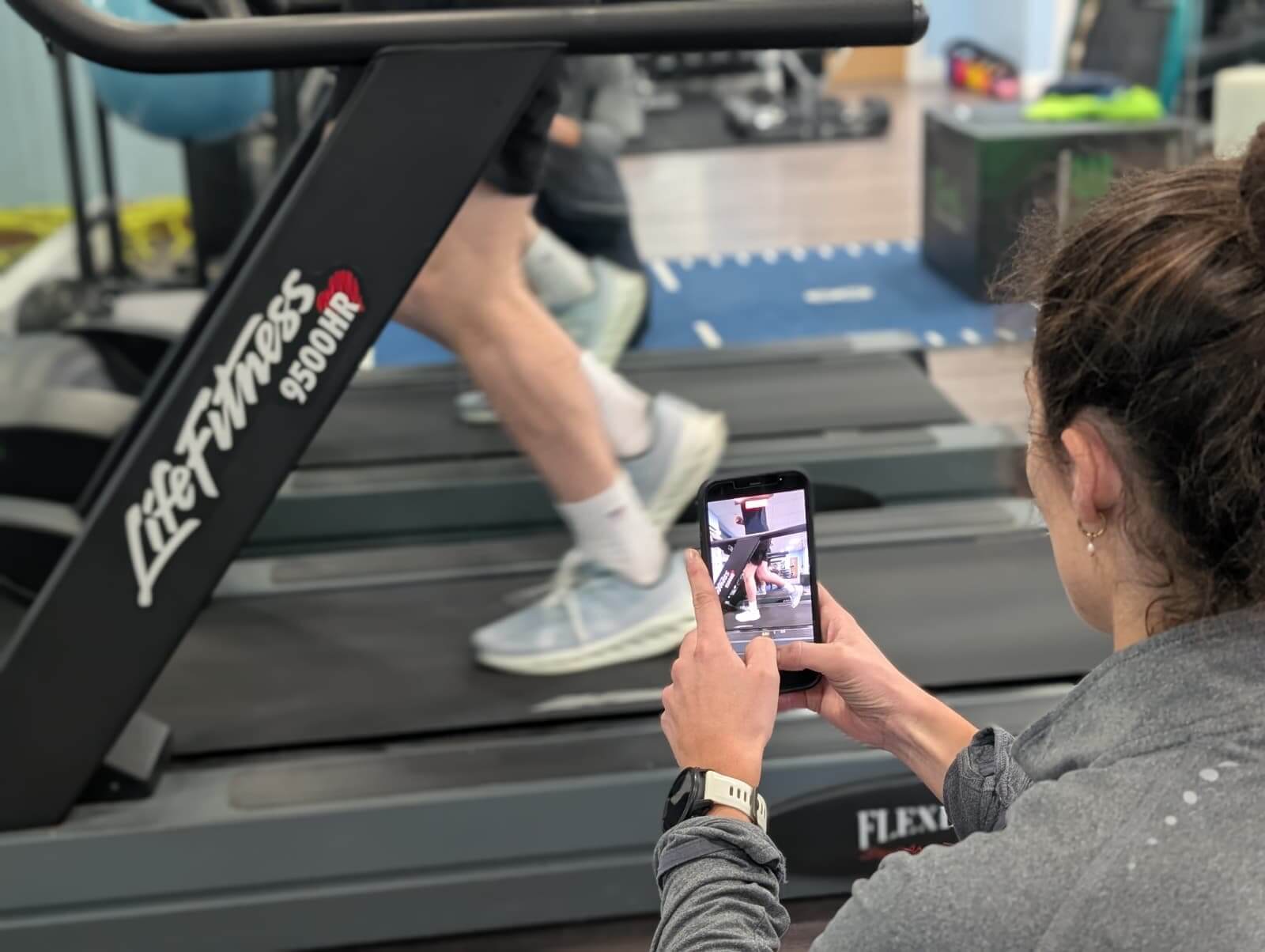
Comprehensive Assessment: We perform a thorough evaluation of your symptoms, training habits, biomechanics, and footwear to confirm diagnosis and rule out other causes such as stress fractures or compartment syndrome.
Education & Advice: Guidance is given on appropriate training progression, load management, rest, and suitable footwear to minimise recurrence and support recovery.
Exercise Programme: A personalised rehab plan includes stretching and strengthening of the calves, lower leg muscles, and feet, plus work on core and hip stability to improve overall lower limb mechanics.
Manual Therapy: Hands-on techniques, including massage, soft tissue release, and mobilisation, may help relieve muscle tightness and discomfort.
Pain Management: Advice on using ice packs after activity, rest, and over-the-counter pain relief as needed for symptom control.
Activity Modification: Recommendations are made to temporarily reduce or modify impact activity (e.g., running, jumping) and cross-train using lower-impact forms of exercise until pain has settled.
Additional Treatment Options for Shin Splints
Referral for Further Investigation: If pain is severe, persistent, or there’s concern about stress fracture or other serious conditions, further imaging or specialist review may be arranged.
Why Choose Us?
We offer evidence-based support focused on relieving pain, correcting biomechanical issues, and returning you to your sport or activity safely. With tailored rehabilitation, education, and ongoing support, we help you overcome shin splints and reduce the risk of recurrence.